KSF
PREMIUM QUALITY
SILK FABRIC

KISWA SILK FACTORY

Premium White-Base Silk Fabric Manufacturer

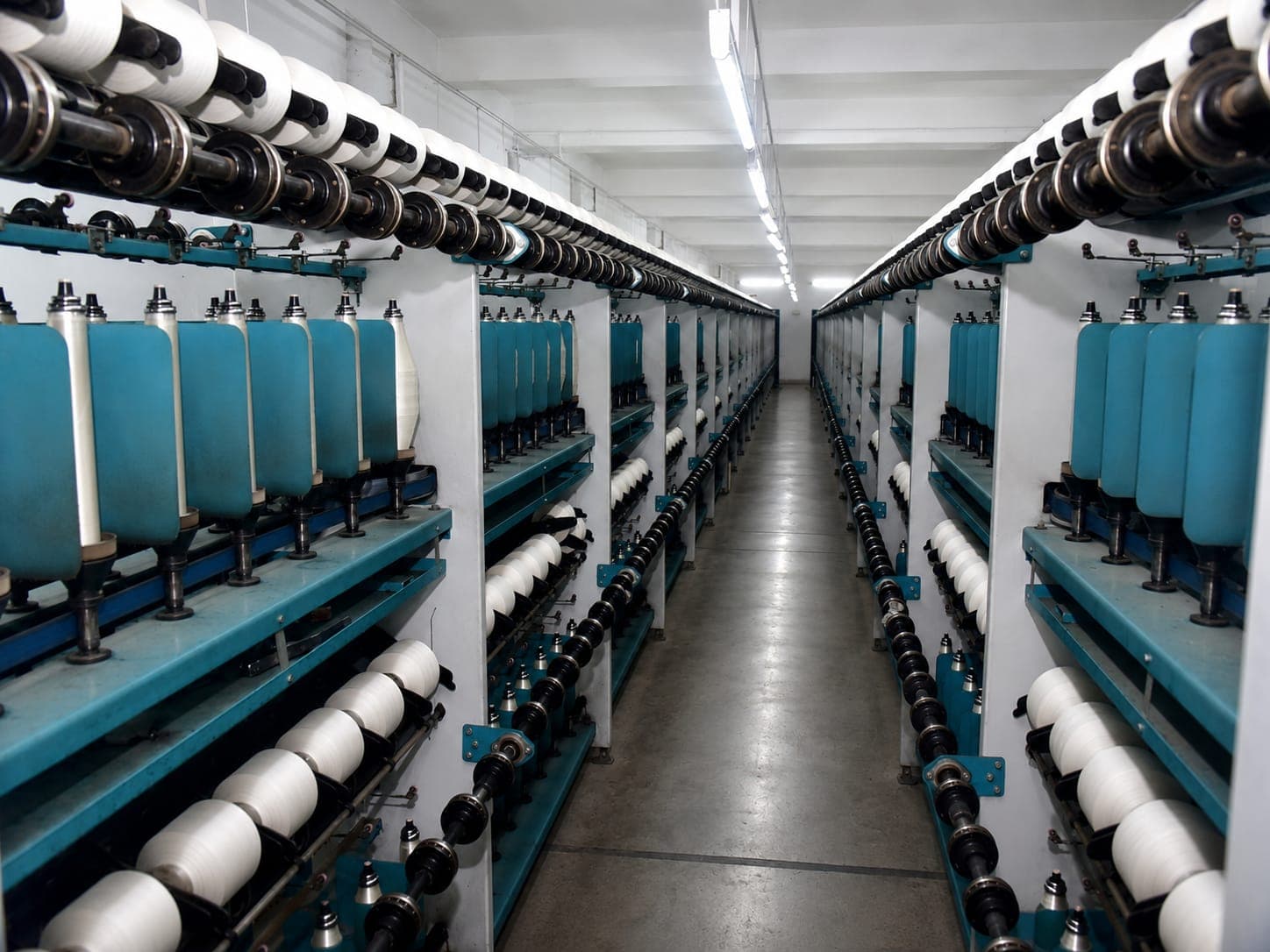
Kiswa Silk Factory power loom floor

INSIDE THE FACTORY

From Yarn to Finished
Silk Fabric

Every metre of white-base silk fabric from Kiswa Silk Factory passes through 12 carefully monitored production steps — all managed under one roof, by one team, to one standard.
12
Production Steps
5
Process Stages
3
Shifts / Day
40+
Power Looms
1Yarn Winding
2Yarn Twisting
3Yarn Steaming
4Warping & Bobbin Preparation
5Reed Drawing
6Power Loom Weaving
7Fabric Checking
8Fabric Washing
9Fabric Calendering
10Fabric Measuring
11Fabric Packing
12Fabric Dispatch
Yarn Preparation
Stage 1
Step 1Step 2Step 3

Stage 1 of 5

Yarn Preparation

The foundation of every quality fabric

Before a single thread enters the loom, the yarn undergoes three critical preparation stages — winding, twisting, and steaming. This section sets the tension, strength and consistency that determines the quality of every metre we produce.
1
Yarn WindingRaw yarn is first wound onto cones to prepare it for smooth fabric production.
2
Yarn TwistingAfter winding, yarn is twisted to improve strength, smoothness, and durability.
3
Yarn SteamingThe twisted yarn is steamed to set the twist and balance the yarn tension.
Explore Stage 1
Weaving Preparation
Stage 2
Step 4Step 5

Stage 2 of 5

Weaving Preparation

Precision setup for every fabric structure

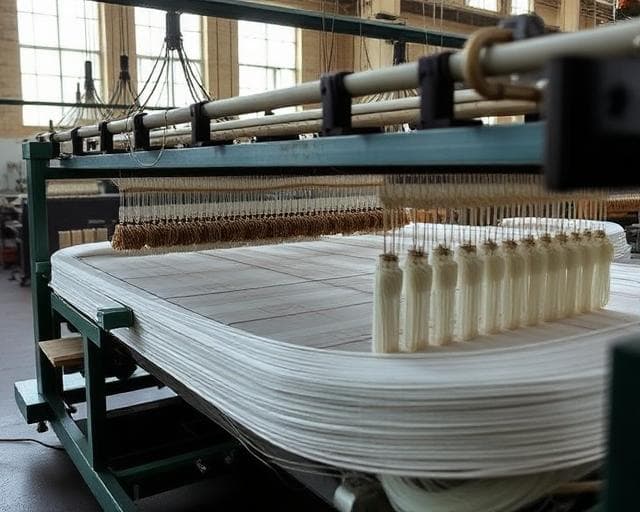
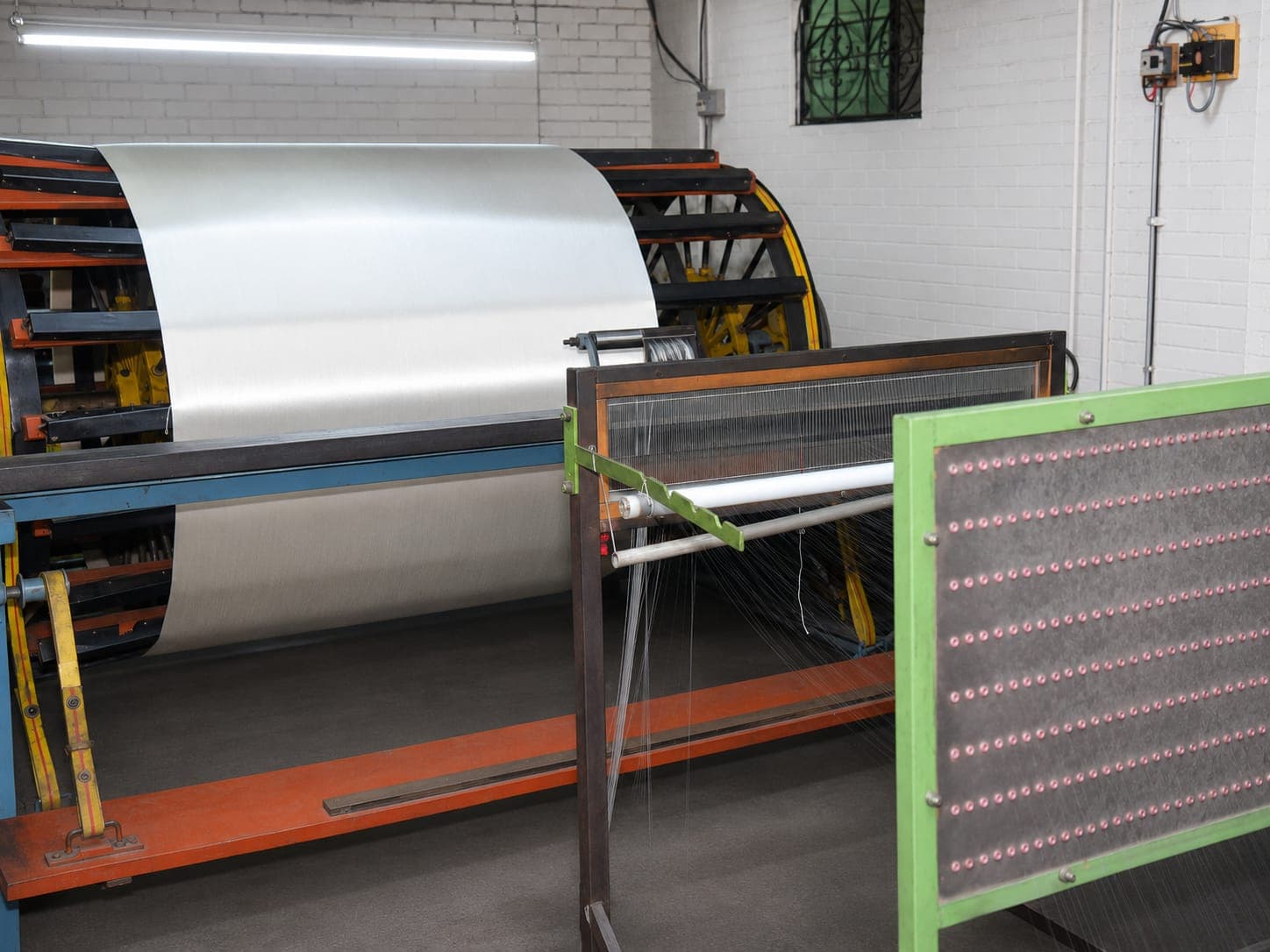
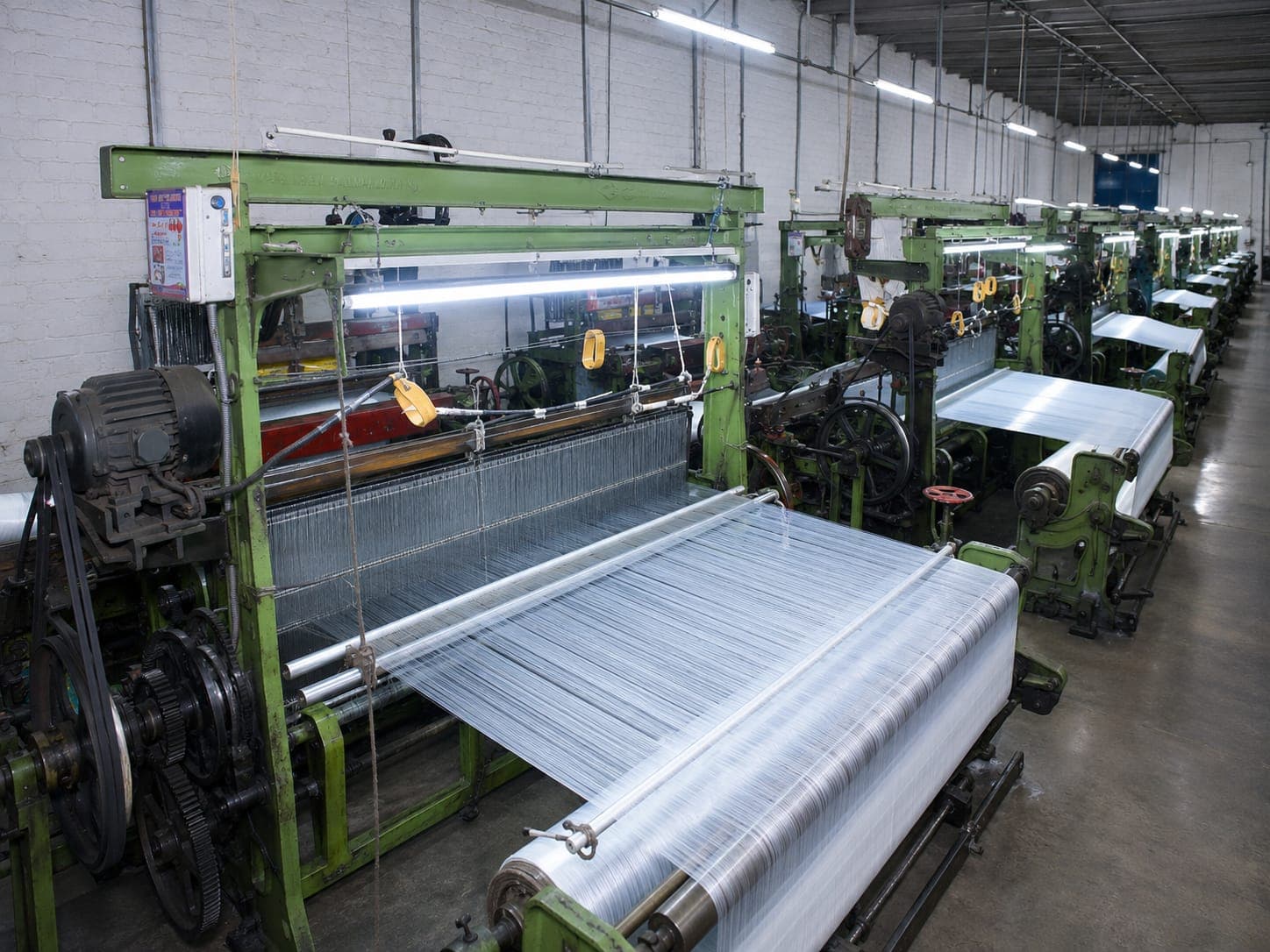
With yarn prepared, the next stage organises the threads into the exact arrangement required by the fabric specification. Warping and reed drawing are precision-critical — errors here affect the width, weave density and surface appearance of the finished fabric.
4
Warping & Bobbin PreparationAfter steaming, yarn is divided for two important processes.
5
Reed DrawingThe warp yarn is carefully passed through the reed/comb in proper sequence.
Explore Stage 2
Fabric Weaving
Stage 3
Step 6

Stage 3 of 5

Fabric Weaving

Where yarn becomes cloth

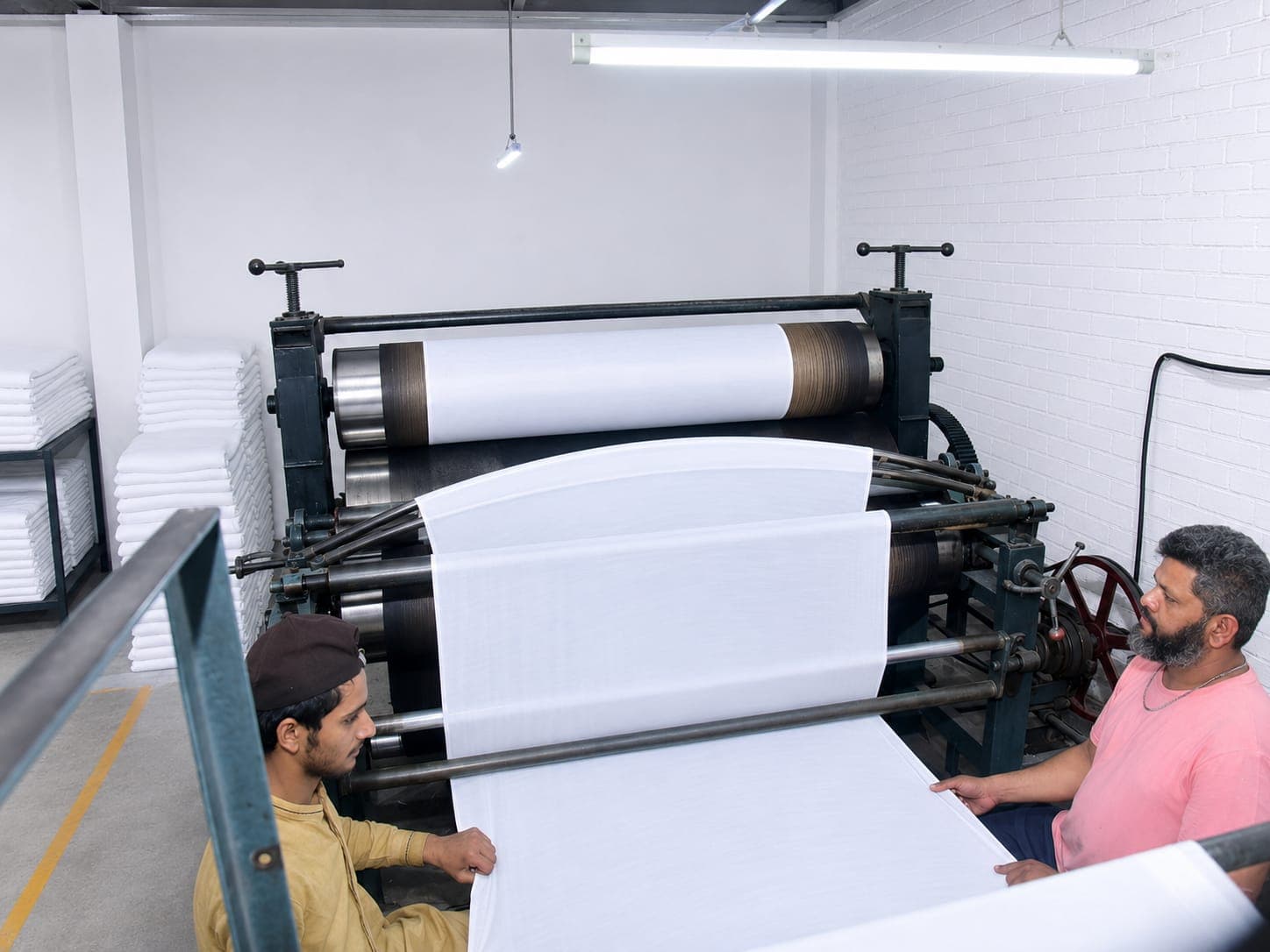
This is the heart of the factory. Our power looms interlace warp and weft threads to produce the raw fabric structure. With 10 images from this section alone, the weaving floor is the most visually compelling part of the production process.
6
Power Loom WeavingThe prepared yarn is set on power loom machines, where warp and weft threads are interlaced to create the fabric.
Explore Stage 3
Checking & Finishing
Stage 4
Step 7Step 8Step 9

Stage 4 of 5

Checking & Finishing

Every defect caught before dispatch

Grey fabric from the loom is raw — it carries processing oil, dust and surface irregularities. Three finishing stages transform it into smooth, clean, market-ready base fabric: visual checking, washing, and calendering.
7
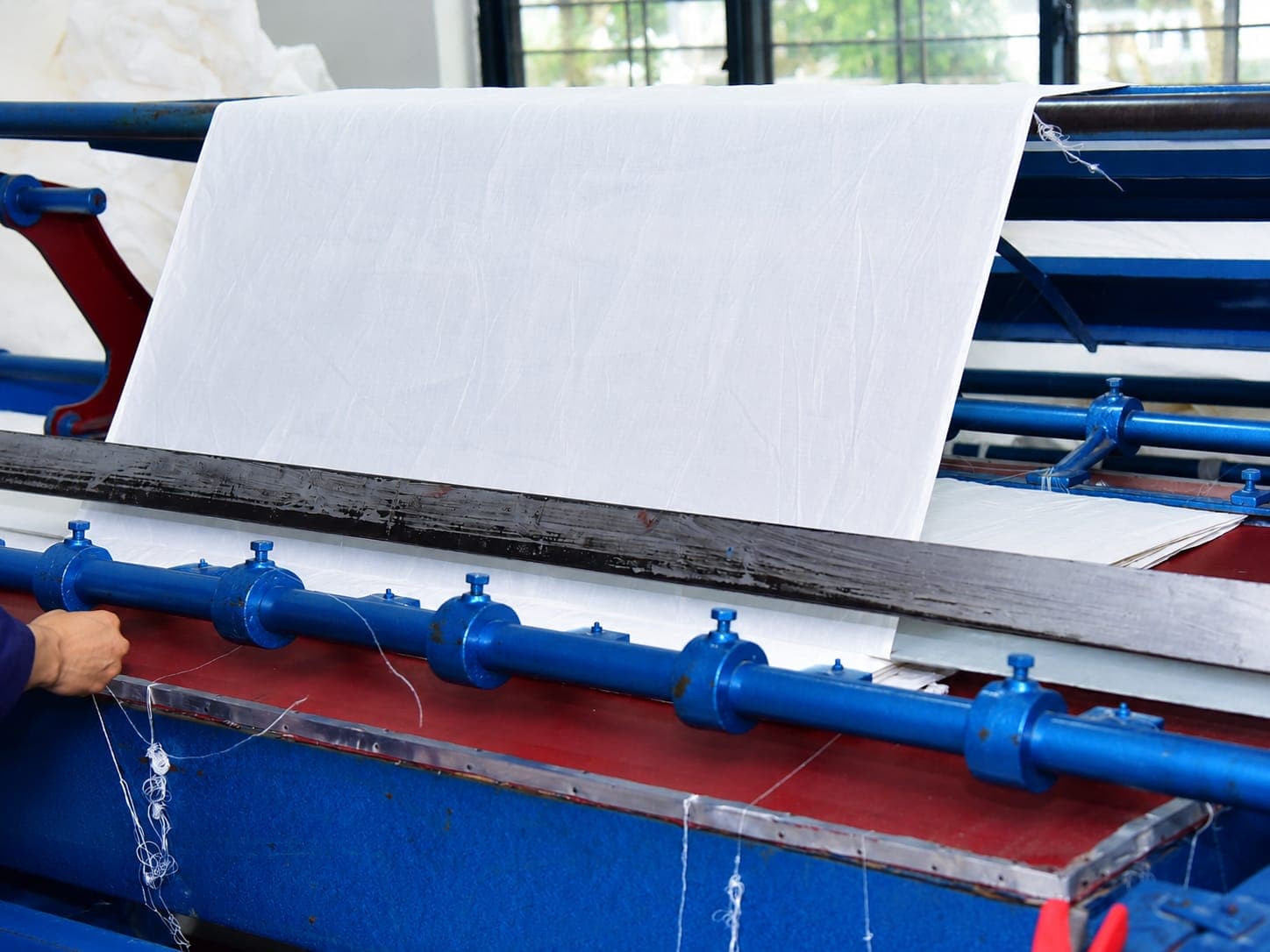
Fabric CheckingAfter weaving, the fabric is carefully checked for surface quality, weaving faults, stains, holes, thread lines, and finishing.
8
Fabric WashingThe checked fabric is washed to remove dust, oil marks, impurities, and processing particles.
9
Fabric CalenderingAfter washing, fabric is passed through calendering rollers to improve smoothness, fall, surface finish, and overall appearance.
Explore Stage 4
Measuring, Packing & Dispatch
Stage 5
Step 10Step 11Step 12

Stage 5 of 5

Measuring, Packing & Dispatch

Every metre counted, every order protected

The final stage before fabric leaves the factory. Accurate measurement, clean packing and careful dispatch ensure the buyer receives exactly what was ordered — in perfect condition, on time.

10
Fabric MeasuringAfter calendering, the fabric is measured carefully to confirm accurate length and width before packing.
11
Fabric PackingThe measured fabric is properly packed with protective wrapping to keep it clean, safe, and ready for delivery.
12
Fabric DispatchAfter packing, the fabric is dispatched according to customer order details.
Explore Stage 5

FACTORY TRANSPARENCY

See the Quality for Yourself

Verified buyers can schedule a mill visit or request fabric samples to check quality at every stage.